
Construction article
Hiring a WSIB-Covered, Insured Contractor in Ontario
What WSIB coverage and contractor liability insurance mean on an Ontario jobsite, and what to ask before work starts — without fake license numbers.
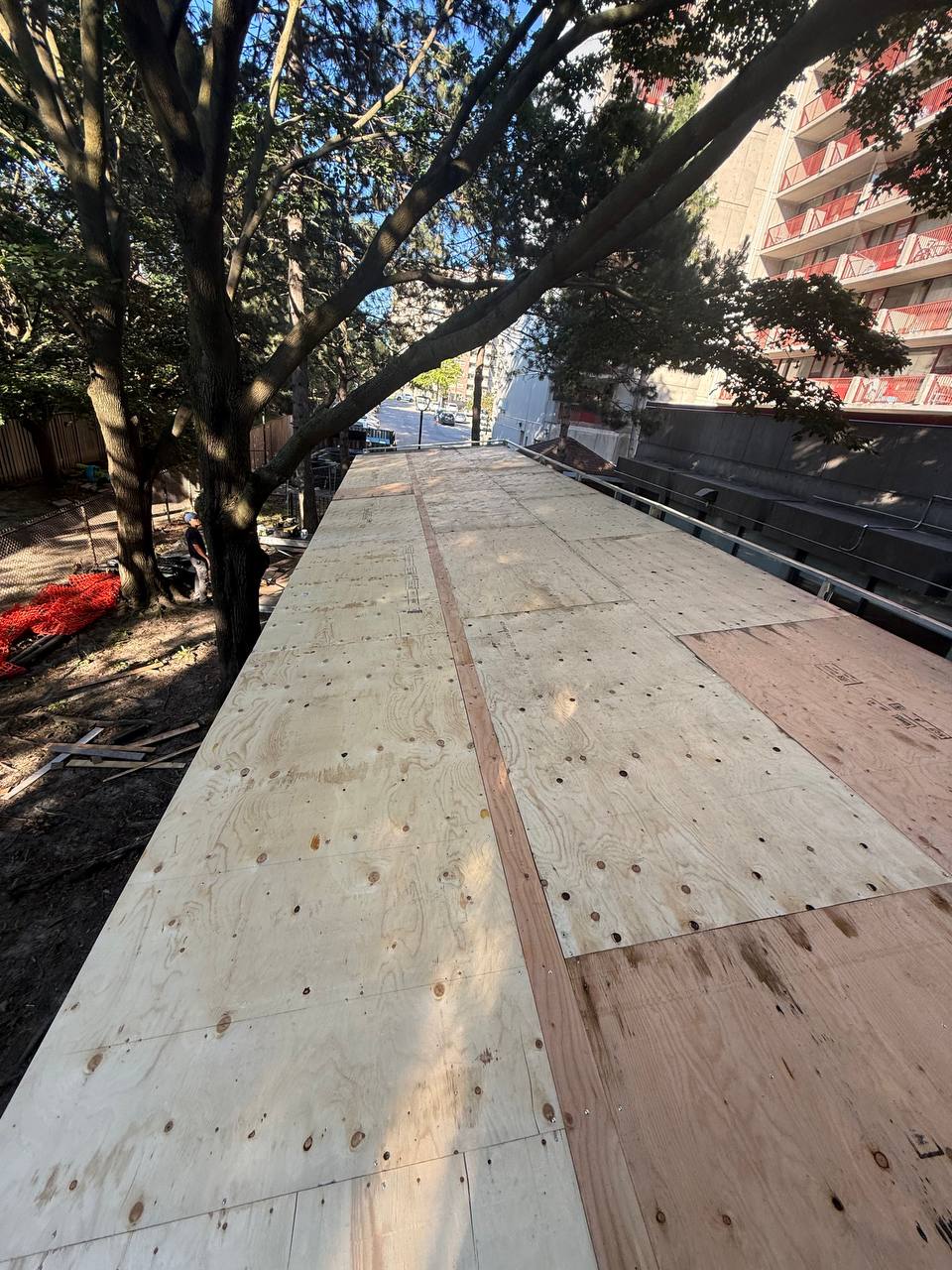
Hiring a contractor in Ontario is not only a price conversation. It is a decision about who is legally and financially prepared to work on your property if someone is injured or if the work damages adjacent spaces. Health and safety coverage — WSIB for workers and general liability insurance for third-party claims — is the baseline, not a premium extra.
This article is a plain-language briefing for homeowners, property managers, and trade partners. It is not legal advice. SIG Construction does not list license numbers, certificate IDs, or awards on this site. Those documents, when they exist, are issued for a date and a project and should be requested directly.
What WSIB coverage is for
The Workplace Safety and Insurance Board provides no-fault insurance for workplace injuries in Ontario. For construction, proof that a contractor is registered and in good standing is a routine request from general contractors, municipalities, and many commercial landlords. It is one signal that injured workers are not left as a dispute between the owner and the crew.
Clearance certificates are dated. A screenshot from last year is not current coverage. Ask for documentation that matches the period of the work. If a project requires additional insured status or higher limits, that should be written against the actual scope, not assumed from a generic policy.
What general liability insurance is for
Contractor liability insurance responds to third-party injury and property-damage claims arising from the work — a damaged neighbouring fence, a visitor injury in a work area, a water event tied to the construction activity. It is not a warranty that the building will never leak. It is not a substitute for a competent scope.
Owners should still insist on a written description of the work, change-order rules, and photo documentation of concealed conditions. Insurance without a clear scope still leaves everyone arguing about what was included.
Subcontracted work should be in the same conversation. If a specialist trade is brought in for waterproofing, roofing, or mechanicals, ask how their coverage relates to the contractor you hired. “Someone else handles that” is not a coverage plan. SIG Construction’s own service pages describe the kinds of work we take on; the insurance conversation should match that list rather than a vague promise to “handle the outside.”
Certificates of insurance and WSIB clearances are often requested with additional insured language and a cancellation notice period. Those requests should be copied into the estimate process so they are not a scramble the morning work is supposed to start. They are ordinary Ontario commercial practice, not an insult.
Safety practices that belong in the price
Coverage documents do not install fall protection or keep a site clean. PPE, lift training, dust control, and daily housekeeping are how occupied houses and commercial properties stay livable during construction. A number that only works if the crew skips protection is not a competitive price; it is a transferred risk.
SIG Construction treats written scopes, photo documentation, and cleanup as part of professional work on restoration, envelope, carpentry, and renovation projects. See the health and safety page for how we describe those habits. Related construction topics — building restoration, commercial improvements, property maintenance — all assume the same baseline.
Questions worth asking before work starts
Ask who the point of contact is, how changes are priced, what WSIB and liability documents will be provided, and how the site will be protected if the property stays occupied. Ask how weather and incomplete elevations will be left overnight. Ask whether subcontracted work, if any, is covered in the same conversation.
Do not expect a website to replace those documents. Anyone can typeset a license number. Current certificates and a crew that works as if they are insured are the test.
When you are ready to discuss a project, request an estimate and include any insurance requirements from a lender, condo board, or property manager. Contact the office if you need coverage documents before a site visit. Hiring an insured, WSIB-covered contractor in Ontario is a due-diligence step. It is also how a construction project stays a construction project instead of a claim.
Next step
If this sounds like your building, send the existing conditions.
Share the address, a short scope, and photos. Coverage and jobsite practices are on thehealth and safety page.
More notes
Related construction notes.
- How to Prepare a Construction Estimate Request in OntarioWhat to send so a GTA contractor can price restoration, envelope, or renovation work: site, scope, photos, access, and insurance needs.
- Selective Demolition Before ReconstructionControlled removal on Ontario jobsites: protecting what stays, exposing what must be seen, and stopping at a defined plane.
- Painting and Drywall: The Finish Depends on the SubstrateWall and ceiling repairs, finishing levels, and paint only last when the board, joints, and preparation are specified — not hoped for.