
Construction article
Seasonal Property Maintenance for GTA Homes and Commercial Sites
A practical Ontario maintenance rhythm for exteriors, joints, carpentry, and small repairs before they become restoration projects.
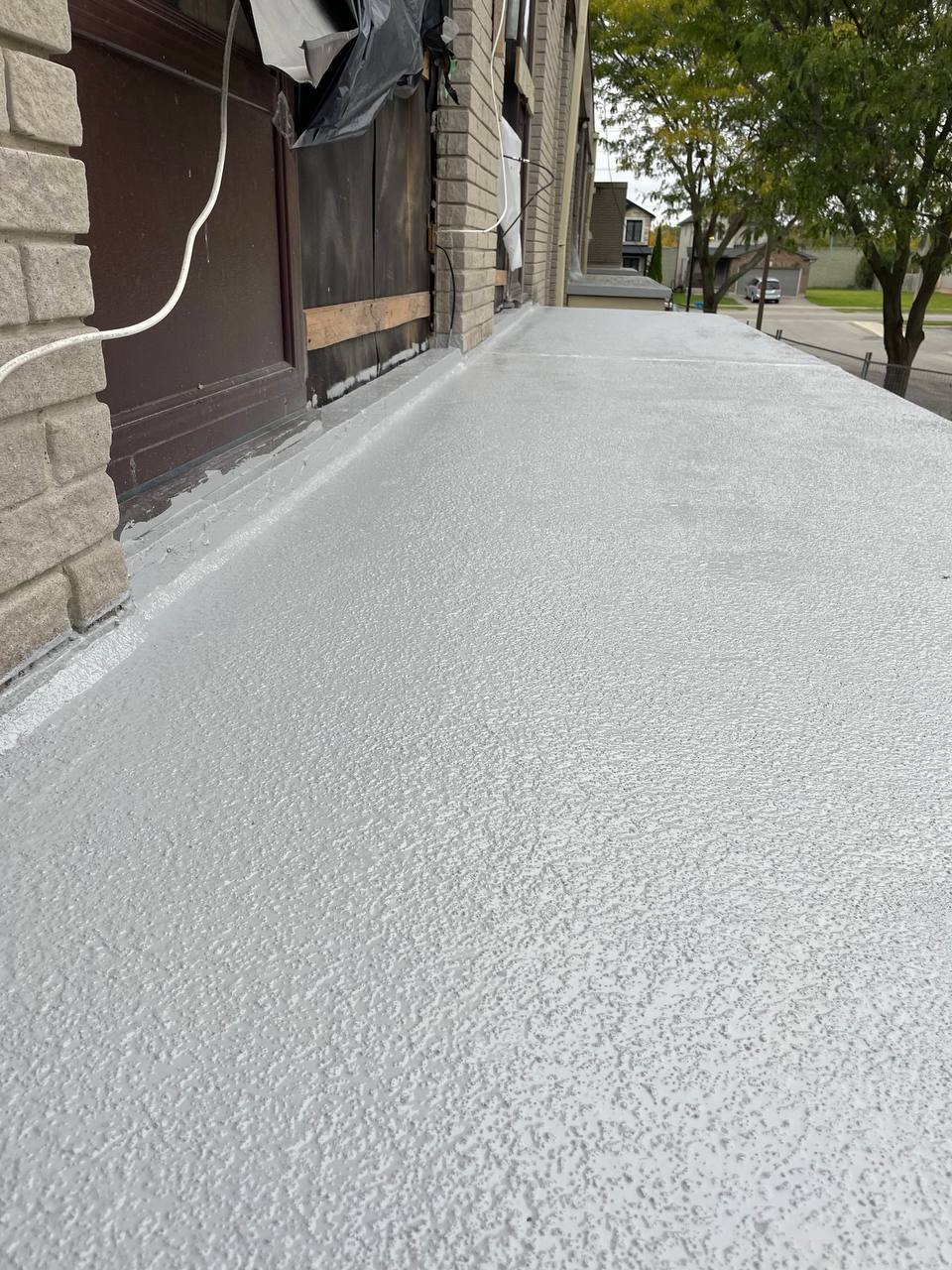
Most restoration projects begin as ignored maintenance. A failed sealant joint, a soft fascia, a gate that drags after a wet spring — none of these start as emergencies. Property maintenance and repairs in the Greater Toronto Area are the habit of grouping those items into a planned visit before winter or before a tenant turnover.
SIG Construction treats maintenance as real construction on a smaller scale: written lists, photos, and a stop point. It is not a substitute for envelope replacement. It is how you avoid replacing an envelope solely because nobody looked at the eaves for five years.
A seasonal rhythm that matches Ontario
Spring is for inspecting what winter opened: lifted shingles at edges, spalled masonry, graded soil that settled against siding, deck boards that moved. Summer is a workable window for caulking, exterior carpentry, fence and deck repairs, and paint on prepared substrates. Fall is for confirming that gutters, kick-outs, and grade still shed water away from the building before freeze-up. Winter is a poor time to open walls, but a good time to document leaks from the inside.
Commercial sites add snow equipment damage, salt staining, and door hardware that fails in cold weather. A plaza that only calls a contractor after a slip-and-fall has already chosen the most expensive maintenance program.
What belongs on a maintenance list
Compatible tasks should travel together: exterior carpentry repairs, joint renewal, small siding replacements, hardware, and site items that share access equipment. Incompatible tasks — a full roof tear-off bundled with a bathroom renovation — are not a maintenance visit. They are two projects pretending to be one invoice.
Be specific. “Check the back of the house” produces a vague walk-through. “South elevation window heads, garage man-door sweep, and the fence gate latch” produces work. Photos with dates help the next visit start faster.
If the list keeps growing around the same elevation, the honest conversation may be restoration or an exterior renovation. Maintenance should not be used to hide a failing assembly.
A good maintenance visit also records what was not done. Items that need a lift, a dry week, or a separate trade should be listed as deferred with a reason, not silently dropped. That list is what a property manager can take to a board or what a homeowner can use to plan the next season. Without it, every spring starts from zero.
On commercial sites, maintenance should respect opening hours and customer paths the same way a larger envelope job would. A ladder in a storefront entry at noon is not a small courtesy issue; it is a site-control failure. Grouping after-hours joint work with hardware and carpentry on the same elevation is often cheaper than three separate call-outs.
Occupied properties and documentation
Homeowners and property managers should expect protection of plantings and entries, daily cleanup, and a short photo set of completed items. Commercial clients should expect WSIB and liability documents when their contracts require them. SIG Construction’s practices are outlined under health and safety. We do not invent license numbers or awards for marketing.
How to request a maintenance visit
Send a numbered list, the address, access notes (occupied, dogs, gate codes as appropriate through private channels), and photos. Preferred timing — before winter, before a listing, after a tenant leaves — should be stated.
Request an estimate with that list attached. Contact the office for recurring commercial or multi-unit programs. Seasonal maintenance is unglamorous. It is also how Ontario buildings avoid becoming case studies in deferred repair. A short written list after each visit — what was completed, what was deferred, and what should be photographed again next season — is the whole program. Keep it with the property file so the next estimate request is not starting from a blank page.
Next step
If this sounds like your building, send the existing conditions.
Share the address, a short scope, and photos. Coverage and jobsite practices are on thehealth and safety page.
More notes
Related construction notes.
- How to Prepare a Construction Estimate Request in OntarioWhat to send so a GTA contractor can price restoration, envelope, or renovation work: site, scope, photos, access, and insurance needs.
- Selective Demolition Before ReconstructionControlled removal on Ontario jobsites: protecting what stays, exposing what must be seen, and stopping at a defined plane.
- Painting and Drywall: The Finish Depends on the SubstrateWall and ceiling repairs, finishing levels, and paint only last when the board, joints, and preparation are specified — not hoped for.