
Construction article
Roofing in Ontario Weather: Coverings, Flashings, and Edges
Roof replacement and repair in the GTA succeed at edges, penetrations, and drainage — not only at the shingle or membrane field.
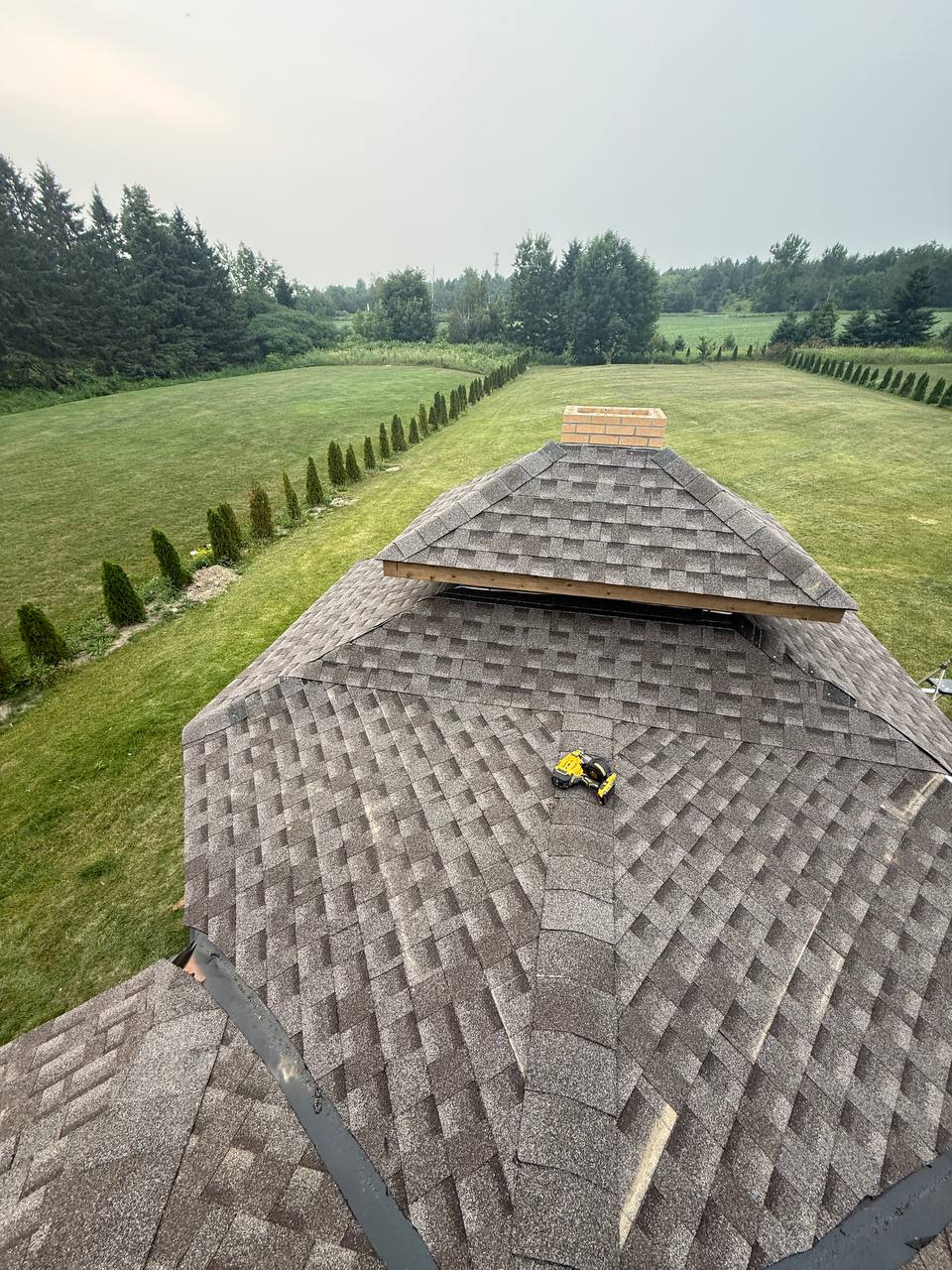
A roof covering is only half of a roof. The other half is everything that keeps water from leaving the field and entering the building: eaves, valleys, step flashings, wall intersections, plumbing stacks, skylights, and drainage. Roofing in Ontario is judged after ice, wind, and a January thaw, not on the afternoon the last shingle is nailed.
SIG Construction treats roofing as part of the building envelope, especially where roofs meet walls that are also being restored or reclad. Isolated “shingle quotes” that ignore those interfaces are a common reason GTA buildings leak at the same corner after a new roof.
Repair versus replacement
Not every stained soffit is a full tear-off. Localized repairs make sense when the covering is otherwise serviceable and the failure is a flashing, a penetration, or a short run of damaged material. Replacement makes sense when the covering is at the end of its life, when multiple planes are failing, or when opening the roof is the only way to correct a ventilation or ice-dam problem.
The decision should follow a review of accessible conditions: age and type of covering, sagging or soft decking, evidence of ice damming, condition of flashings, and interior leak history. Photos from the ground help. They do not replace looking at the eaves and the wall intersections.
If decking is deteriorated, that is carpentry, not a covering upgrade. Pricing a new roof over unsound sheathing is how the next crew inherits a bounce and a callback.
Edges, walls, and the rest of the envelope
Kick-out flashings, step flashings against siding, and apron flashings at porches are where residential roofs typically fail in the GTA. Commercial and low-slope roofs add scuppers, internal drains, parapet caps, and membrane upturns. Those details belong in the same scope as the field membrane. A beautiful field with an open parapet corner is still a leak.
When a project already includes building restoration or new siding, sequence the roof edges with the wall. Installing siding first and then trying to flash a roof against it — or the reverse without a plan — creates the exact joint that Ontario weather will find.
Caulking and waterproofing at roof-to-wall joints is complementary, not a substitute for metal flashing. Sealant that is asked to do a flashing’s job will fail.
Ventilation and insulation are part of some steep-slope problems, especially ice damming on houses with cold eaves and warm interiors. A covering replacement that ignores airflow and insulation may still dam ice. That does not mean every roofing quote should become an insulation project. It means the estimate conversation should ask whether the leak is a covering failure or a heat-loss pattern. Interior frost, uneven melt stripes, and thick eaves ice are clues.
Low-slope commercial roofs add a different maintenance story: drains that clog, old patches that redirect water to a weak seam, and rooftop equipment that was set without pitch pans or proper curbs. If HVAC work is planned, coordinate the roofing so new penetrations are flashed once.
Weather, access, and occupied buildings
Roofing is weather work. Temporary protection, overnight tie-ins, and a plan for sudden rain are part of a professional sequence. Occupied houses and commercial buildings need controlled access, protected entries, and a cleanup plan for nails and offcuts. Magnetic sweepers are not optional on a driveway full of family cars.
Fall protection, material staging, and insurance documentation should be settled before the first bundle goes up. SIG Construction outlines coverage and site practices on the health and safety page. We do not list certificate numbers on the website; those documents are issued for a project and date when they are required.
Briefing a roofing estimate
Share the address, the roof type if you know it (steep slope, low slope, mixed), leak locations, and recent photos of eaves, valleys, and any wall intersections. Note interior rooms that stain after freeze-thaw. If a property manager has a roof report, include it.
Request an estimate for a defined repair or replacement. Contact the office if you are still deciding whether the problem is the roof, the wall, or both. A roof that is detailed at the edges is the one that still keeps Ontario weather outside the building.
Next step
If this sounds like your building, send the existing conditions.
Share the address, a short scope, and photos. Coverage and jobsite practices are on thehealth and safety page.
More notes
Related construction notes.
- How to Prepare a Construction Estimate Request in OntarioWhat to send so a GTA contractor can price restoration, envelope, or renovation work: site, scope, photos, access, and insurance needs.
- Selective Demolition Before ReconstructionControlled removal on Ontario jobsites: protecting what stays, exposing what must be seen, and stopping at a defined plane.
- Painting and Drywall: The Finish Depends on the SubstrateWall and ceiling repairs, finishing levels, and paint only last when the board, joints, and preparation are specified — not hoped for.