
Construction article
Caulking and Waterproofing: Small Joints, Large Water Problems
Failed sealant and poorly prepared joints are a leading source of leaks on Ontario exteriors. What waterproofing work should actually include.
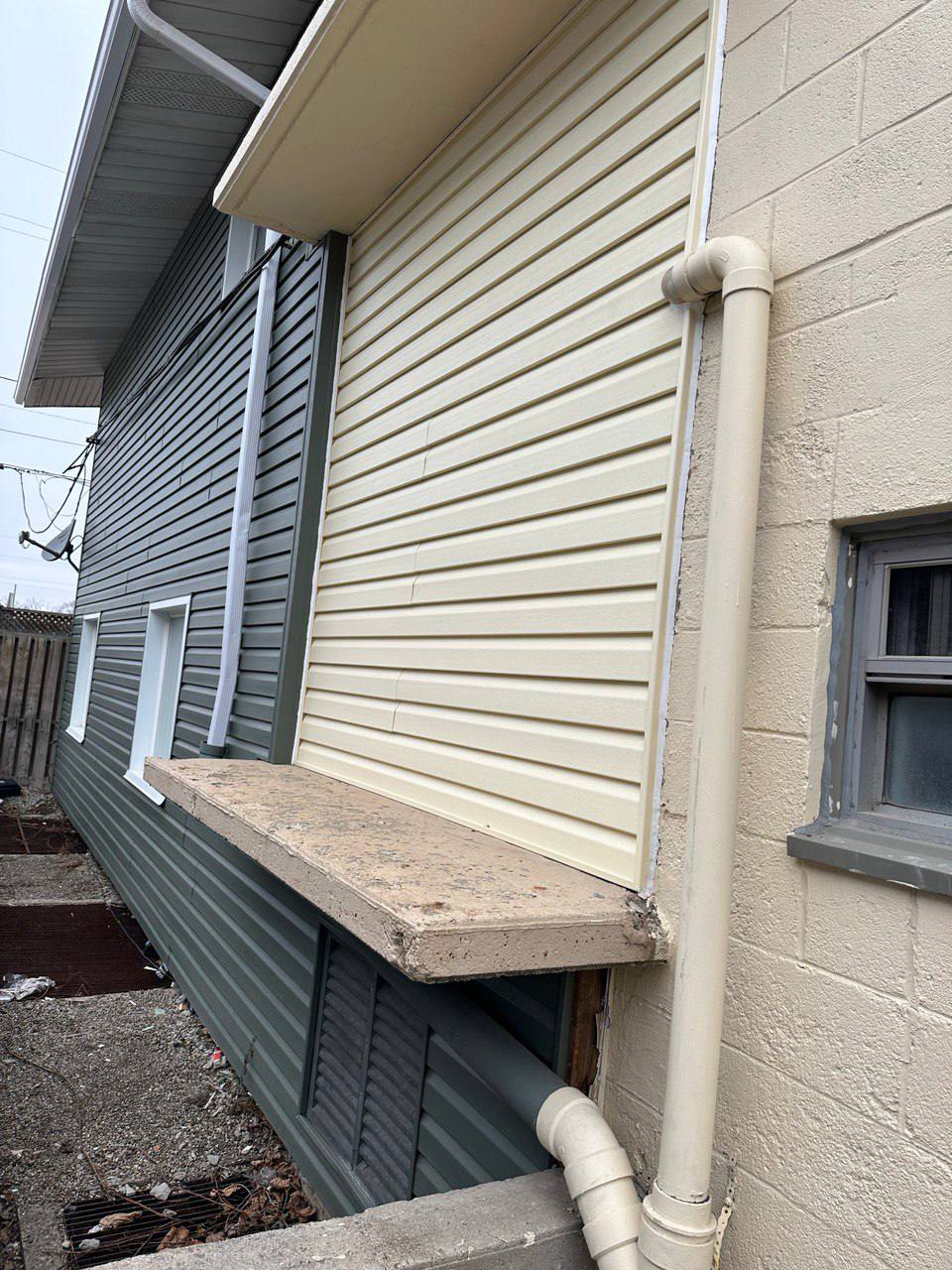
Water does not need a hole the size of a fist. It needs a failed joint, an unflashed sill, or a crack that opens every February. Caulking and waterproofing on Ontario buildings is less about a tube of sealant and more about preparation, compatible materials, and knowing when sealant is the wrong product entirely.
GTA property managers often see the same elevation recaulked every few years because the previous work was applied over failed material, dirty substrates, or joints that were never sized for movement. The stain returns. The invoice repeats. A durable joint is a construction detail, not a cosmetic bead.
Where joints actually fail
Typical locations include window and door perimeters, control joints in masonry or EIFS, cladding panel joints, balcony-to-wall interfaces, and the meeting of dissimilar materials. Each of those joints moves. Sealant that is too shallow, too skinny, or bonded on three sides cannot move with the building.
Ontario freeze-thaw and UV exposure age sealant faster on south and west elevations. A building that looks sealed from the parking lot can still be open at the head of every window. Restoration and cladding projects should treat joint design as part of the wall, not as a punch-list wipe of caulk at the end.
Waterproofing at grade, planter walls, and below-window pans is a different family of work. Membranes, drainage, and terminations matter more than the colour of the visible sealant. Mixing those two conversations without a scope is how water is redirected into a new path instead of out of the assembly.
Preparation is the job
Removing failed sealant, grinding or tooling the joint to a proper profile, installing backer rod, priming when the product requires it, and tooling a consistent finish are the actual labour. Skipping any of those steps is how a “recaulk” lasts a season.
Compatibility matters. Some sealants do not adhere to certain claddings or to residue from the previous product. Some membranes cannot be sealed with whatever is in the truck. The specified system — not a generic tube — should drive the work.
When the joint is a flashing problem, more sealant will not save it. Kick-outs, sill pans, and through-wall flashings belong to roofing and envelope work. See roofing and building restoration when the leak is clearly coming from a metal or membrane detail.
Colour matching is a real constraint on occupied commercial and residential buildings. A joint that is technically correct but visually noisy on a street elevation will be rejected. Sample joints on an inconspicuous elevation before the crew commits a whole face of the building. Movement joints should remain movement joints; painting over them or filling them flush with a rigid product is how they split.
Below-grade work and planter waterproofing need drainage as much as they need membrane. A tanked wall that cannot drain still holds water against the building. If landscaping will be replaced after the membrane, the restoration of grade and protection board should be in the same conversation so the membrane is not destroyed by the next trade.
Occupied buildings and maintenance programs
Waterproofing on occupied commercial and multi-unit residential properties needs lift access, protected entries, and a sequence that does not leave open joints through a weekend of rain. A maintenance program that inspects south elevations and known leak history on a cycle is cheaper than emergency interior repairs.
SIG Construction can group compatible repair items — joints, small carpentry, and localized envelope fixes — into a practical visit. That is often a better fit than treating every failed bead as its own emergency. Site coverage expectations are on health and safety.
What to send before work is priced
Photos of the joint in close-up and in the context of the elevation, notes about interior leaks after rain or thaw, and the building type (house, low-rise, commercial storefront) are enough to start. If a previous product or colour must be matched, say so.
Request an estimate for a defined elevation or joint package. Contact the office for maintenance lists and documentation questions. Waterproofing that is prepared and tooled correctly is quiet work. The result is a dry interior, which is the whole point.
Next step
If this sounds like your building, send the existing conditions.
Share the address, a short scope, and photos. Coverage and jobsite practices are on thehealth and safety page.
More notes
Related construction notes.
- How to Prepare a Construction Estimate Request in OntarioWhat to send so a GTA contractor can price restoration, envelope, or renovation work: site, scope, photos, access, and insurance needs.
- Selective Demolition Before ReconstructionControlled removal on Ontario jobsites: protecting what stays, exposing what must be seen, and stopping at a defined plane.
- Painting and Drywall: The Finish Depends on the SubstrateWall and ceiling repairs, finishing levels, and paint only last when the board, joints, and preparation are specified — not hoped for.